

How to properly store perfume?
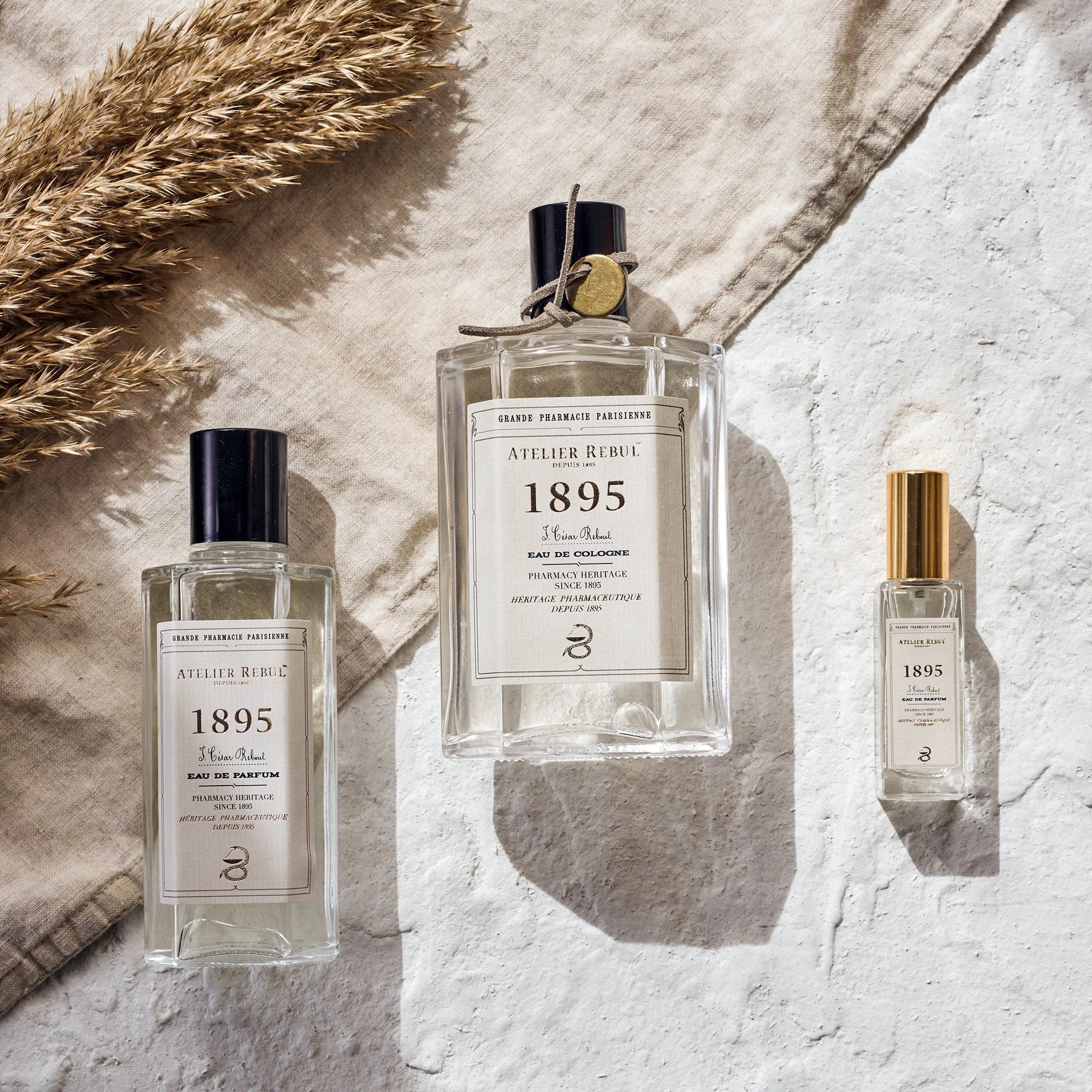
How to properly store perfume: A guide to storage and shelf life. Do old perfumes expire?
In the world of perfumes, where each essence is a time capsule, evoking eras and memories, an essential question arises: do perfumes expire? Like fine wines, perfumes evolve, but not all age gracefully.
Proper storage of perfumes thus becomes an art, a bridge between past and present, ensuring that each spray is an authentic olfactory journey. Discover how the secrets of preservation transform a simple perfume into a precious olfactory legacy, along with other high-quality skincare products and perfumes.
Do perfumes expire? The truth about perfume shelf life
Opened perfumes retain their olfactory qualities for one to five years, depending on their composition and storage conditions. A sealed perfume, stored correctly, can last for decades without losing its charm.
Opened perfumes retain their olfactory qualities for one to five years, but the duration varies depending on their composition and storage conditions. Perfumes have a remarkable longevity if properly cared for. Degradation begins when the bottle's seal is broken, and oxygen initiates a slow chemical reaction that can alter the molecular structure of the composition. Oxidation is a gradual process, allowing time to savor your favorite fragrance.
A sealed perfume, stored correctly, can last for decades without losing its charm. This longevity is due to the absence of contact with oxygen and the protection provided by the hermetically sealed dark glass. However, exposure to heat or intense light can compromise the composition.
Now that we have established perfume shelf life, let's explore together the art of preserving these precious essences.
Storing perfumes – the basic principles for proper preservation
The art of preserving perfumes has its origins in the traditions of perfumers, who developed methods for preserving these elixirs. The principles of how to properly store perfume are based on understanding the delicate nature of the composition and the factors that can affect it.
Ideal storage conditions
-
Constant temperature: Perfumes are best stored at stable temperatures between 15 and 20 degrees Celsius. Temperature fluctuations can affect the balance between the top, middle, and base notes.
-
Protection from light: Ultraviolet rays break down organic compounds, altering the scent and color. This is why perfumers use colored bottles – amber, cobalt, or deep green – to filter radiation.
-
Controlled humidity: Excessive humidity can compromise the integrity of the perfume by infiltrating the bottle's sealing system and promoting bacterial growth. An ideal relative humidity is between 45 and 55 percent.
-
Original packaging: The cardboard box provides a barrier against light and helps maintain a constant temperature, creating an ideal microenvironment.
But what exactly in a perfume's composition makes it vulnerable? Let's analyze the factors that influence the longevity of these olfactory creations.
Factors affecting the longevity of perfumes
The longevity of a perfume is influenced by internal and external factors. Understanding these elements allows for a scientific approach to preservation.
-
Chemical composition: Perfumes with citrus notes are more susceptible to oxidation than those with woody or oriental notes. Sandalwood, patchouli, and ambergris have superior molecular stability.
-
Alcohol concentration: Perfumes with high concentrations of ethyl alcohol (eau de parfum and parfum) benefit from the preservative properties of this solvent, while those with lower concentrations (eau de toilette) are more vulnerable.
-
Quality of ingredients: Natural raw materials offer superior stability compared to synthetic substitutes, which is reflected in the longevity and harmonious evolution of the perfume.
But how do we tell if a perfume has lost its freshness? Here are the signs of deterioration.
Signs that the perfume has deteriorated
How to recognize that a perfume is no longer good to use
Recognizing the signs of deterioration requires attention to detail. The first indicator is a change in the olfactory profile – the perfume loses its initial harmony.
-
Color change: A perfume that changes its shade indicates advanced oxidation processes. This chromatic alteration is visible in perfumes with transparent bottles and may be accompanied by sediment.
-
Texture change: The appearance of crystals or suspended particles indicates the separation of components. A healthy perfume maintains a uniform consistency and crystal clarity.
-
Diminished intensity: Top notes are the first to be affected, and the olfactory pyramid loses its complexity. An altered perfume no longer develops naturally on the skin.

Cosmetic products without an expiration date – the myth of eternal perfumes
Do perfumes that never expire really exist?
The concept of an eternal perfume has fascinated collectors, fueling the myth that these compositions could last indefinitely. The reality is that, although perfumes do not have strict expiration dates, they are not immune to the passage of time.
Symbols on packaging provide clues about durability. The PAO (Period After Opening) symbol indicates the number of months for which the perfume retains its optimal qualities after opening. This information is becoming increasingly common.
The absence of an explicit expiration date reflects its unique nature. Perfumes benefit from a high alcohol concentration, which acts as a natural preservative, unlike creams or lotions, which contain water and are susceptible to microbial contamination.
Now that we understand the limits of longevity, let's focus on practical tips to maximize the lifespan of perfumes.
Practical tips for optimal storage
The best places and methods for storage
-
Choose the right location: Creating an ideal environment requires attention to detail. The optimal location is a closed cabinet in a room with a constant temperature, away from sunlight and heat sources.
-
Opt for the bedroom: The bedroom is the best option, offering thermal stability and protection from light. Avoiding the bathroom is essential, as temperature fluctuations and high humidity can compromise the integrity of the perfume.
-
Store bottles upright: Positioning bottles vertically is preferable, as it reduces the contact surface between the liquid and air and the risk of leaks.
-
Consider a dedicated refrigerator: For collectors, investing in a dedicated refrigerator can be an excellent solution. The constant temperature of 4-6 degrees Celsius slows down degradation, extending the life of rare perfumes.
To ensure that our perfumes are stored in the best conditions, it is important to avoid certain common mistakes. Here they are.
Common mistakes in storing perfumes
-
Storing in the bathroom: The most common mistake is storing perfumes in the bathroom, where humidity and temperature fluctuations create a hostile environment.
-
Exposure to direct light: Exposure to direct sunlight can irreversibly damage the perfume. UV rays break down aromatic molecules, altering the scent and color.
-
Excessive shaking: Shaking the bottle excessively can introduce air bubbles, accelerating oxidation. Perfumes are designed to be handled delicately.
Storing perfume: An olfactory legacy
Adhering to perfume storage principles ensures the persistence of aromas and memories. Therefore, choose the storage location carefully, protect perfumes from light and heat, and you will transform each spray into a memorable olfactory journey. The next step? Reorganize your collection, applying these tips to protect each precious essence and discover tips for choosing the right perfume.
Frequently asked questions about perfume storage and shelf life
Do perfumes expire?
Yes, perfumes can lose their olfactory qualities over time, especially after opening. Depending on their composition and storage conditions, an opened perfume is optimal for one to five years, while a sealed one, stored correctly, can last for decades.
What are the signs that the perfume has deteriorated?
Color change, the appearance of sediment, a change in scent intensity, or texture are clear signs that the perfume is no longer good to use.
Where should perfumes be stored?
It is best to store perfumes in a closed cabinet, at a constant temperature (15-20°C), away from direct light and excessive humidity. The bedroom is the ideal option, not the bathroom.
Should perfume bottles be kept upright?
Yes, storing bottles in an upright position helps reduce contact with air and minimizes the risk of leaks.
Are there perfumes that never expire?
There are no perfumes with “infinite shelf life.” Although they do not have a clear expiration date, perfumes are sensitive to light, heat, and oxygen, and their composition evolves over time.
Can I store perfumes in the refrigerator?
For collectors or rare perfumes, a dedicated refrigerator can be a good solution, maintaining a constant temperature between 4-6°C. However, avoid the regular refrigerator, where high humidity can affect the bottle and the composition.
Is it good to store perfumes in their original packaging?
Yes, the cardboard box protects against light and helps maintain a constant temperature, extending the lifespan of the perfume.
What should be avoided to prevent perfume degradation?
Avoid exposure to light, heat, humidity, and excessive handling/shaking. Do not store perfume in the bathroom.